Зовнішній ДБЖ
  • Outdoor UPS Cabinet Corrosion Protection: What Should Coastal Sites Specify? Outdoor UPS Cabinet Corrosion Protection: What Should Coastal Sites Specify? Nov 10, 2026
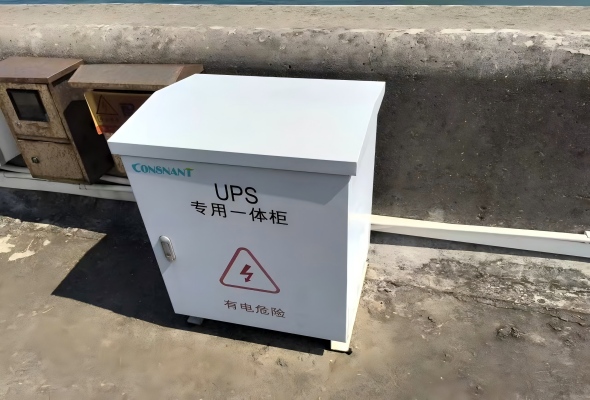
    Introduction Coastal deployment for outdoor UPS cabinets brings unique environmental challenges: salt‑laden sea wind, high humidity, chloride deposition and UV radiation can gradually erode cabinet shells, fasteners, sealing seams and internal power components. Many project engineers mistakenly believe a high‑level IP rating is sufficient for coastal anti‑corrosion. However, IP rating only measures dust‑water ingress protection, and cannot replace corrosion‑resistant material, surface finishing and verification testing. Without proper specifications, premature rust, paint peeling and cabinet failure will cause costly downtime for telecom base stations, port automation, coastal data sites and seaside industrial facilities. When you source outdoor UPS systems for coastal sites, what exact anti‑corrosion requirements should you write into your technical specification sheet? This article breaks down core specification points and introduces CONSNANT outdoor UPS cabinet proven for harsh seaside environments. Key Specification Items for Coastal Outdoor UPS Cabinets 1. Cabinet Base Material Selection Chloride ions from sea salt are the primary driver of coastal cabinet corrosion. Different base metals deliver huge performance gaps: Galvanized cold‑rolled steel: Cost‑effective for inland outdoor sites; for coastal use, must match high‑performance duplex anti‑corrosion coating system, otherwise rust will emerge quickly. 304 stainless steel: Suitable for mild coastal areas far from shoreline. Not recommended for sites within several kilometers of coastline, as chloride may trigger pitting corrosion over time. 316 /316L stainless steel: Preferred material for high‑salinity coastal and near‑shore locations. Molybdenum ingredient enhances resistance against chloride‑induced corrosion. CONSNANT outdoor UPS & telecom power cabinets support customizable cabinet material: galvanized steel with heavy‑duty anti‑corrosion spray, optional 304 / 316 stainless‑steel shell for coastal and marine‑grade projects. 2. Surface Coating & Treatment Standards Material alone cannot guarantee long‑term anti‑corrosion. Surface finishing must be clearly specified in procurement documents: Pre‑treatment: Complete degreasing, phosphating and passivation before spraying. Outdoor‑grade powder coating / duplex coating system; define dry film thickness requirement. Weld seams, sharp edges and cut corners need full coverage; these positions are typical corrosion weak‑points. CONSNANT coastal‑targeted cabinets adopt galvanized substrate plus professional outdoor anti‑corrosion spraying process, completed strict salt‑spray ageing test. Real‑world coastal project cases verify no obvious rust after multi‑year field running. 3. Hardware, Fastener & Galvanic Corrosion Prevention Many corrosion failures occur not on main cabinet panels but on screws, hinges, lock assemblies and cable glands: All exposed fasteners shall adopt stainless‑steel hardware (316 recommended for severe coastal sites). Avoid direct contact between dissimilar metals to prevent galvanic corrosion under damp salt‑air atmosphere. Double‑layer EPDM weather‑resistant sealing gasket; ordinary rubber will age and crack quickly under coastal UV & salt fog. 4. Protection Grade, Thermal Management & Cabinet Structure Important reminder: IP55 / IP56 dust‑water protection ≠ anti‑corrosion performance, but it is a necessary foundation for coastal cabinet reliability. Specify requirements below: Minimum enclosure rating: IP55 or IP56, preventing salt‑mist, rain and dust entering cabinet interior. Internal temperature control: optional cabinet air‑conditioner or heater module, avoid high‑humidity condensation inside accelerating electronic part corrosion. Reasonable drainage design: drain holes for condensed moisture inside cabinet. CONSNANT Outdoor UPS Cabinet series reaches IP55 / IP56 protection level. Integrated thermal management including cabinet air‑conditioning, heating and heat dissipation fan modules, supporting ground‑mount, pole‑mount and wall‑mount installation for seaside base stations and coastal industrial sites. H3|5. Mandatory Test & Certification Requirements Add these test clauses into technical tender documents: Neutral Salt Spray Test (NSS): Define testing hours according to coastal corrosivity grade (reference ISO 12944 corrosion class C4 / C5 for coastal environment). Request supplier provide third‑party salt‑spray test report for cabinet assembly, not only raw‑material certificate. Verify product certificates including CE, ISO 9001, ISO 14001, ISO 45001 quality‑environment‑occupational‑health management system certifications. H2|CONSNANT Outdoor UPS Solution for Coastal Harsh Sites As a China‑based manufacturer specialized in outdoor UPS, telecom power cabinet and energy‑storage power solution, CONSNANT delivers fully customized outdoor power system for coastal telecommunication base station, port, coastal power station and seaside industrial projects. Core highlights for coastal projects: Flexible cabinet material options: galvanized steel with heavy‑duty anti‑corrosion coating, upgradeable to 304 /316 stainless steel enclosure. IP55 / IP56 sealing cabinet, double‑layer weather‑resistant sealing structure, passed salt‑spray ageing verification from lab and real‑site coastal deployment. All‑in‑one integration: UPS host, lithium‑ion / lead‑acid battery bank, PDU distribution, intelligent temperature control and SNMP remote monitoring inside single cabinet, adapting unmanned coastal site operation. Full certification portfolio: CE, ISO series certification, supporting overseas project bidding requirements. Custom service: adjust cabinet dimension, cooling configuration, anti‑corrosion grade according to local coastal salinity, temperature and site layout. FAQ Q1: If a cabinet is IP56‑rated, does it mean it will resist coastal salt‑fog corrosion? A: No. IP rating describes protection against water jet and dust. Corrosion resistance depends on substrate material, coating, fastener material and salt‑spray test performance. High IP grade cannot replace anti‑corrosion specification work. Q2: 304 vs 316 stainless steel: which one to pick for coastal sites? A: 304 stainless steel works for mildly‑coastal zones far away from surf. For locations within several kilometers of seashore with heavy salt‑spray exposure, specify 316 / 316L stainless‑steel cabinet and hardware for long service life. Q3: What typical applications require anti‑corrosion outdoor UPS cabinets in coastal regions? A: Coastal 5G telecom base station, port monitoring & automation system, seaside wind‑solar hybrid station, coastal substation auxiliary power, coastal highway monitoring equipment, offshore island backup power system. Conclusion Coastal site outdoor UPS cabinet anti‑corrosion is a system engineering covering material selection, surface treatment, hardware matching, structural design and laboratory verification test. Relying only on IP grade or supplier verbal promises creates hidden operational risks. Project buyers should clearly write material grade, coating specification, fastener requirement and salt‑spray test criteria into technical specifications. CONSNANT provides one‑stop customized outdoor UPS cabinet & power system for coastal harsh‑environment projects. Visit our outdoor UPS solution page: https://www.consnant.com/outdoor‑ups‑solutions or email sales@consnant.com for detailed technical proposal.
  • How to Plan Modular UPS Capacity and N+X Redundancy for a Data Center? How to Plan Modular UPS Capacity and N+X Redundancy for a Data Center? Nov 02, 2026
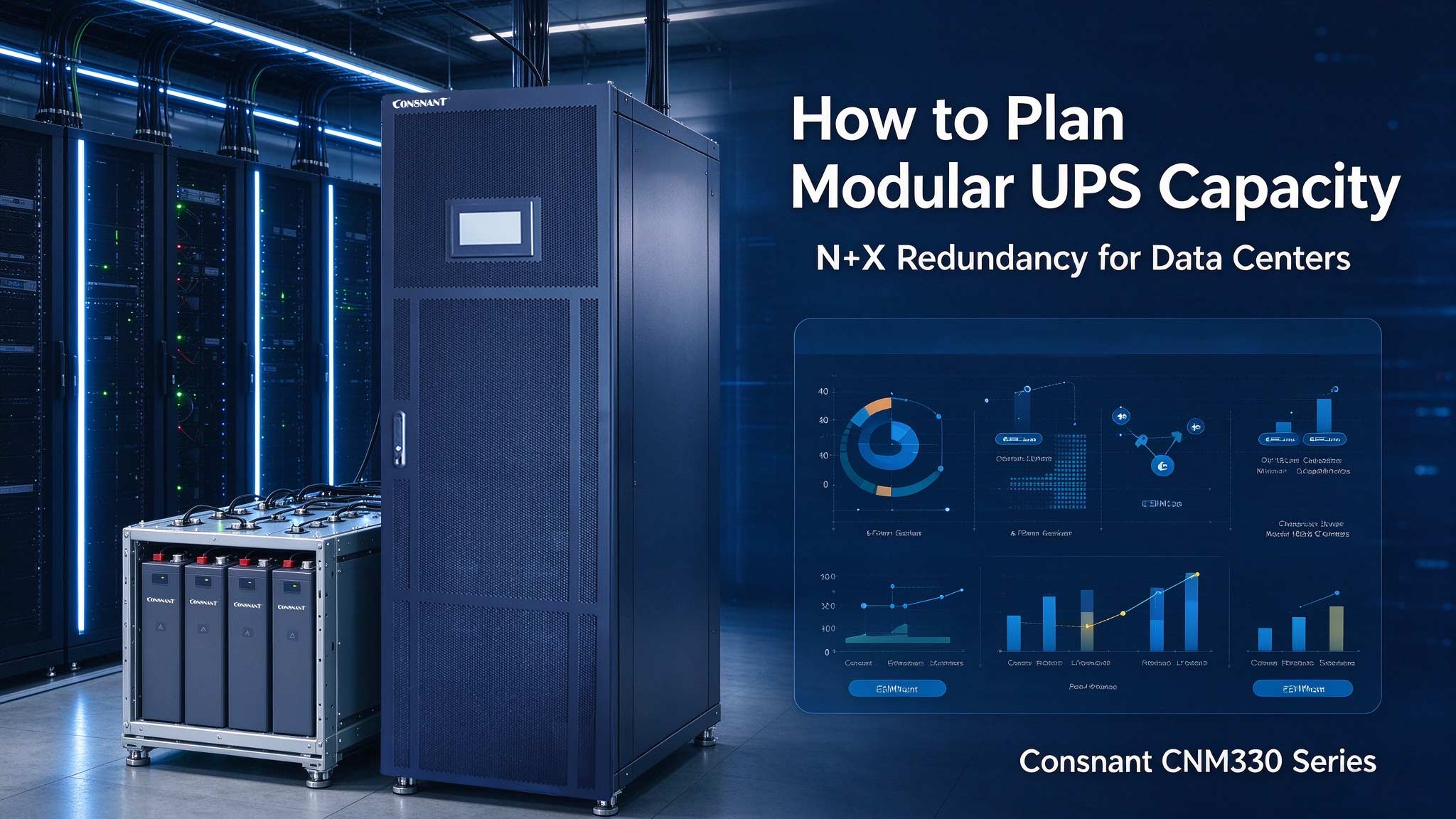
    Modern enterprise, colocation and AI‑powered data centers demand flexible, high‑availability uninterruptible power supplies. Modular UPS systems allow incremental capacity expansion and built‑in module‑level N+X redundancy, which outperforms traditional monolithic UPS for fast‑growing IT environments. However, improper capacity calculation or wrong redundancy configuration will cause waste of investment, low operating efficiency or hidden risks of power outage. This article walks you through practical workflows for modular UPS sizing and N+X redundancy design, with real‑world reference to Consnant CNM330 series modular online UPS for data‑center‑grade power protection. Step1: Calculate Real Critical IT Load (Avoid Over‑Sizing or Under‑Sizing) Capacity planning must start from measured real‑world load instead of theoretical nameplate value. Many data‑center projects over‑provision UPS capacity blindly and suffer poor partial‑load efficiency. Sum up critical real power (kW), not just kVA. Include servers, storage, network switches, and also UPS‑supported cooling equipment. For AI GPU racks, use sustained operating power instead of peak instantaneous value. Apply diversity factor: Not every rack runs at full power simultaneously. Typical diversity factor: General enterprise racks: 0.7‑0.85 AI / GPU intensive racks: 0.9‑1.0 Storage array racks:0.8‑0.9 Reserve reasonable future growth margin: Keep the normal operating load within 60%‑80% of total UPS usable capacity. This range balances system efficiency and expansion space. Important note: Do NOT double‑count redundancy capacity as growth headroom. Redundancy modules are for fault tolerance, not for future IT load growth. Consnant CNM330 modular UPS adopts 50 kW high‑density hot‑swap power module, supports flexible capacity stacking from 50 kW up to 600 kW per cabinet, matching phased deployment of small‑medium IDC and large‑scale AI data centers. Step2: Understand N, N+1, N+2, N+X Redundancy for Modular UPS N+X redundancy means deploying N working modules for carrying real‑time load, plus X spare redundant modules. X stands for quantity of backup modules that can bear load when modules fail or are pulled out for maintenanceSchneider ...。 N configuration: Exactly enough modules for present load, zero spare. No fault tolerance. Only suitable for non‑critical edge sites. N+1: 1 spare redundant module. If one module fails or needs hot‑swap maintenance, remaining N modules can fully support critical load. Fits Tier‑II / basic Tier‑III enterprise data centers, most popular cost‑effective solution. N+2: Two spare modules. Tolerate two‑module simultaneous failure or maintain two modules at the same time. Target for high‑reliability Tier‑III / Tier‑IV mission‑critical colocation and financial data centers. 2N / 2(N+1): Dual independent UPS bus architecture. Each bus can independently bear full critical load, highest fault‑tolerance for Tier‑IV facilities. Consnant CNM330 series supports configurable N+X redundancy via LCD touch screen. System will trigger alarm when load exceeds redundancy protection threshold, and can reach system availability up to 99.999% under N+2 setup, MTBF up to 250,000 hours. Power modules support online hot‑swap: technicians replace faulty modules without shutting down IT loads. Up to 4 cabinets can be paralleled for larger‑scale deployment. Step3: Key Factors to Determine Your X Value in N+X Before locking your redundancy scheme, evaluate these four dimensions: Uptime Tier requirement: Match Uptime Institute Tier standards. Tier‑III requires concurrent maintainability; Tier‑IV demands fault‑tolerant power path. Business outage loss: How much financial loss will be caused by power interruption? Financial, medical and core AI computing facilities usually choose N+2 or higher. On‑site maintenance condition: If local engineer response is slow, increase X to reduce maintenance risk window. Total‑Cost‑of‑Ownership(TCO): Each additional redundant module raises CAPEX, but lowers risk of downtime loss. Balance reliability and investment budget. Common Pitfalls in Modular UPS Capacity & Redundancy Design ❌ Confuse kVA and kW, ignore actual output power factor. Modern IT loads draw real power(kW). Consnant CNM330 reaches output power factor 1.0 to deliver more real power within same cabinet footprintConsnant. ❌ Treat redundant X‑modules as expansion capacity. When IT load grows, you still need to add working N‑modules, cannot consume redundancy spare capacity. ❌ Run modular UPS at ultra‑low load (<30% rated). Too‑light load reduces overall system efficiency. Modular UPS should shut idle redundant modules properly if supported. ❌ Ignore battery matching after UPS capacity upgrade. After adding power modules, verify charging current, battery bank voltage and backup runtime together. Consnant CNM330 equips intelligent battery management system with adaptive charging current adjustment for different battery groups. Practical Configuration Example for Consnant CNM330 Modular UPS Scenario: Enterprise Tier‑III data center, real critical IT load = 150 kW, 50 kW per power module. Minimum working N modules = 3 units (3 × 50 kW =150 kW) Require N+1 redundancy → total installed modules: 4 units, total cabinet capacity:200 kW Normal operating load rate: 150÷200 =75%, falls within optimal 60‑80% operating window. If upgrade to high‑security financial data center requirement, switch to N+2: total 5 modules (3+2), total capacity 250 kW. Multiple CNM330 cabinets support parallel expansion, so data centers can purchase initial modules matching current load and add power modules later as business expands, avoiding large‑sum one‑time upfront investment. Additional Site Checks Before Final Deployment Confirm cabinet floor load, rack space, ventilation and heat dissipation condition for modular UPS cabinet. Confirm communication interface: SNMP, Modbus‑TCP, dry‑contact alarm for integrating into data center DCIM monitoring platform. Consnant CNM330 supports above industrial standard interfaces. Validate backup runtime requirement, select proper VRLA or lithium‑ion battery configuration. Conclusion Modular UPS brings outstanding scalability and redundancy advantages, yet reliability does not simply come from buying more modules. Correct workflow: measure real IT load → set reasonable operating load percentage → define N working modules → select X redundancy number according to tier & business risk → verify battery, monitoring and site environment. Consnant CNM330 modular UPS series provides flexible N+X redundant architecture, hot‑swappable power modules and high power‑density design, helping data‑center operators achieve phased construction and balanced TCO between reliability and cost. FAQ Q1: Is N+1 always enough for Tier‑III data center? A1: Not absolutely. N+1 satisfies concurrent maintainability on module‑level, but you still need to check distribution path, bypass and battery system design to fully meet Tier‑III criteria. Q2: Can I add redundant modules later after the modular UPS cabinet is deployed? A2: Yes for Consnant CNM330 series. Empty slots inside cabinet reserve space for future hot‑swap power‑module insertion, no cabinet replacement required. Q3: What is the difference between module‑level N+X and traditional whole‑unit N+1 parallel? A3: Modular N+X implements redundancy inside one cabinet via power modules, smaller footprint, maintenance without whole‑unit shutdown; traditional N+1 parallel uses complete independent UPS cabinets, fits 2N dual‑bus large‑scale architecture. Q4: Does CNM330 modular UPS support lithium‑ion battery?   A4: Yes. The intelligent charging algorithm supports both lead‑acid VRLA and lithium‑iron phosphate battery banks, with adjustable charge parameters.
  • Replacing an Industrial UPS: What Information Should a Plant Gather Before Selecting a Replacement? Replacing an Industrial UPS: What Information Should a Plant Gather Before Selecting a Replacement? Oct 28, 2026
    For manufacturing plants, chemical facilities, water treatment sites and process automation workshops, the industrial UPS protects mission-critical loads: DCS control systems, PLC hosts, sensors, safety interlock devices and monitoring instruments. An aging UPS faces rising failure risk, spare part shortages and low efficiency. Rushing into replacement without a complete data survey often leads to mismatched capacity, incompatible wiring, insufficient backup runtime or expensive rework. Before selecting a replacement industrial online UPS, maintenance and electrical teams must collect structured site data. This checklist helps you define requirements clearly and select a reliable industrial UPS solution such as Consnant CNG low-frequency industrial UPS and CNH high-frequency industrial UPS series. 1. Existing UPS & Load Profile Data Start by auditing the current UPS and real load conditions, not only the nameplate values. Old UPS model, rated kVA/kW, output power factor, phase configuration (3/3, 3/1, 1/1), topology (online double conversion) Actual measured load (not just nameplate sum): steady-state load, inrush current from motors, periodic surge load Critical load list: DCS, PLC, emergency instruments, SCADA, actuators; separate non-critical loads that can be removed from the UPS bus Load tolerance: voltage sag tolerance, harmonic sensitivity, whether zero transfer time is mandatory Future expansion margin: 20%–30% spare capacity is recommended for new production lines or additional control cabinets Consnant industrial UPS supports output power factor 1.0, which delivers more real power for modern switching power loads common in automation control rooms. The CNG330 low-frequency industrial UPS is designed to withstand heavy inrush and short-circuit events typical of factory environments. 2. Grid & Electrical Interface Information Industrial sites usually suffer unstable grids: voltage flicker, frequent sags, harmonics and phase imbalance. These parameters decide the acceptable input window, rectifier type and harmonic requirements. Nominal voltage: 380/400/415VAC, 220/230VAC; actual long-term measured input voltage range Frequency range, grid THDi, harmonic source location (VFD, welding machines) Input and output wiring: cable size, existing bypass path, maintenance bypass, single-line diagram Protection coordination: upstream MCCB rating, earth fault scheme, short-circuit capacity at the power room Local compliance standards: IEC 62040, CE, ISO and site internal electrical codes Consnant high-frequency CNH series adopts ultra-wide input voltage range, which reduces battery discharge frequency and extends battery life for sites with poor grid quality. The 12-pulse rectifier option suppresses low-order harmonics for harmonic-sensitive process plants. 3. Backup Runtime & Battery System Requirements Battery is the biggest variable in industrial UPS TCO. Do not default to the old runtime. Required backup time: short ride-through (5–15 min) for orderly shutdown; long runtime (30 min to several hours) for continuous process Battery type compatibility: lead-acid VRLA or LiFePO4 lithium battery Existing battery cabinet size, DC voltage, charging current limits Battery environment: temperature, ventilation, fire control rules, battery recycling requirements Recharge time target after outage Consnant’s intelligent battery management system automatically switches float charge and equalized charge, slowing battery aging and extending battery service life by over 40%. External battery cabinets can be configured flexibly to meet customized backup duration. 4. Physical Site & Environmental Constraints Many UPS retrofit projects fail because engineers only check drawings instead of the real room conditions. UPS room dimensions, floor load capacity, door width, lifting path, elevator limits Ambient temperature, humidity, dust, corrosive gas, condensation risk; IP protection requirement Heat dissipation: air conditioning capacity, ventilation route, noise limit for control building Installation footprint: traditional tower or compact rack/modular layout Working window for replacement: whether live cutover is needed to avoid production stop 5. Communication, Monitoring & Maintenance Specifications Modern industrial UPS must integrate into plant SCADA and centralized monitoring platforms. Required communication protocols: Modbus-RTU, Modbus-TCP, SNMP, dry contact alarm Remote monitoring platform, local HMI display requirement, fault alarm notification method Maintenance access: front service, hot-swap module, online parallel expansion capability Service expectation: local after-sales support, spare parts lead time, preventive maintenance plan Consnant industrial UPS supports standard industrial communication interfaces and parallel redundancy. Multiple units can run in parallel for N+1 redundancy, enabling online capacity expansion without shutting down critical control systemsMade-in-Ch.... 6. Budget, TCO & Cutover Risk Plan Capital budget and long-term TCO comparison: efficiency loss of old UPS, battery replacement cycle, maintenance cost Cutover strategy: hot swap, temporary bypass UPS, scheduled shutdown window Disposal plan for old UPS and waste batteries following local environmental regulations Matching Consnant Industrial UPS Series After Data Collection After you gather all the above information, you can match the correct product family: CNG Low Frequency Industrial Online UPS: for heavy industry, harsh grid, high overload, DCS/boiler/chemical control systems CNH High Frequency Industrial Online UPS: compact footprint, high efficiency, for automation workshops, intelligent factory control rooms Modular UPS: for phased expansion, N+1 redundant power rooms, data and central control centers Final Tips for Plant Teams UPS replacement is not a simple “same-for-same swap”. Old units may be oversized or undersized for today’s load profile. A complete site survey report allows your UPS supplier like Consnant to provide an optimized quotation, correct cabinet layout and safe cutover scheme. FAQ Q1: Can I directly replace the industrial UPS with the same kVA as the old one? A1: Not recommended. You need to measure the real running load, check power factor and add expansion margin. The old UPS may run at low load with poor efficiency or be overloaded by newly added control equipment. Q2: What is the advantage of low-frequency industrial UPS for process plants? A2: Low-frequency UPS has stronger overload and short-circuit tolerance, better anti-interference performance, suitable for sites with motor loads and frequent grid disturbances. Q3: Does Consnant industrial UPS support lithium battery? A3: Yes. Consnant industrial online UPS is compatible with lead-acid and LiFePO4 batteries, with adjustable charging curves for different battery chemistries.
  • What Maintenance Does an Industrial UPS Need? How Can Factories Reduce Downtime and Battery Failures? What Maintenance Does an Industrial UPS Need? How Can Factories Reduce Downtime and Battery Failures? Oct 26, 2026
    Industrial online UPS is the power safety backbone for petrochemical plants, power plant DCS systems, production lines and lab test equipment. Unplanned UPS failures cause costly production shutdowns, and 75‑80% of industrial UPS outages root in insufficient maintenance and premature battery faults. Even high‑grade hardware such as the CONSNANT CNI310 & CNI330 series industrial online UPS (10‑300KVA, IP42/IP54 rated, ISO‑IEC‑CE certified) cannot escape wear‑and‑tear in dusty, high‑temperature factory environments. This blog breaks down mandatory maintenance items, explains battery failure triggers, and shares actionable strategies to minimise factory downtime. Core Routine Maintenance for Industrial Online UPS Industrial UPS maintenance covers three major blocks: power cabinet hardware, battery bank, and monitoring & bypass system. Follow a time‑based inspection cycle: daily visual check, quarterly deep inspection, annual full functional test. 1.Main Cabinet & Power Electronics Maintenance The main cabinet contains rectifier, inverter, cooling fans, static bypass switch and touch‑screen HMI. For CONSNANT industrial UPS main cabinet and separate bypass cabinet: Daily: Check touch‑screen alarm logs, running status of fans, indicator lights. Confirm no abnormal noise or overheating warnings. The built‑in monitoring system records 256 historical events for fault traceabilityConsnant. Quarterly: Clean dust from air filters and ventilation grilles. Dust accumulation blocks heat dissipation and triggers over‑temperature shutdown. Inspect cabinet wiring terminals for loose connections or oxidation. Annually: Complete bypass transfer test. Verify seamless switch between mains, inverter and maintenance bypass. Check capacitor ageing status, update UPS firmware if official releases are available. Note: Maintenance bypass cabinet is critical for hot servicing without cutting off critical loads, widely used on CNI330 100‑300KVA large‑capacity industrial UPS models. 2.Battery System Maintenance (Most Failure‑Prone Part) Statistics show most UPS emergency failures happen on batteries. VRLA batteries degrade fast under high heat. The ideal ambient temperature is 20‑25°C. Every +10°C temperature rise roughly halves battery service life. Monthly: Monitor battery temperature, float voltage via UPS touch‑screen or remote MODBUS monitoring. Remove obstacles blocking battery cabinet airflow. Quarterly: Test internal resistance of each battery cell. Replace cells when impedance exceeds 50% of factory baseline; inspect terminals for corrosion and retighten bolts to manufacturer torque specs. Every 2‑4 months: Perform shallow load discharge (30% depth of discharge) to prevent sulphation on battery plates, especially for UPS running long‑term on mains mode without actual backup dischargeConsnant. Annually: Conduct full capacity discharge test. If remaining capacity drops below 80% rated value, plan battery group replacement. Do NOT replace single individual battery in a string; replace the whole battery pack togetherConsnant. 3.Environmental & Site Maintenance Industrial factories feature dust, vibration, humidity and wide temperature swings. Keep UPS room ambient temperature stable 20‑25℃, avoid direct sunlight or heat source radiation. Maintain IP rating integrity: IP42 / IP54 cabinets (CONSNANT optional grade) require door seals intact; do not leave cabinet doors open for long periods. Keep ground connection reliable, avoid corrosive gas near UPS and battery cabinets. Why Do Industrial UPS Batteries Fail Prematurely? Common root causes: High operating temperature: #1 cause of early battery ageing in factories. Long‑term float charging without periodic discharge → plate sulphation. Loose terminals, corrosion, poor ventilation. Mismatched charging parameters, wrong float voltage settings. Delayed replacement past design service life. CONSNANT CNI310 / CNI330 industrial UPS supports battery temperature compensation charging, automatically adjusting float voltage according to battery temperature to reduce over‑charge risks, lowering premature battery failure probabilityConsnant. Practical Strategies for Factories to Reduce Unplanned Downtime 1.Build Preventive Maintenance Schedules Critical sites (power plant DCS, petrochemical safety systems): quarterly inspection + annual comprehensive test. General production workshops: semi‑annual inspection + annual discharge test. Harsh dusty/high‑temperature workshops: shorten inspection cycles. 2.Make Full Use of UPS Intelligent Monitoring Functions CONSNANT industrial online UPS supports 7‑inch touch screen, dry‑contact alarm, RS485 / MODBUS remote communication, real‑time tracking of voltage, frequency, load rate, battery SOH(state‑of‑health). Configure early warning alerts to capture hidden faults before blackout occursConsnant. 3.Reasonable System Redundancy & Capacity Sizing Reserve 20‑30% load margin when selecting UPS capacity. Avoid running UPS close to full load continuously. For mission‑critical facilities, adopt N+1 redundant configuration to achieve maintenance without production haltConsnant. 4.Proactive Consumable Replacement Do not wait for complete failure. Schedule battery, fan and capacitor replacement before end‑of‑life. For CONSNANT series UPS, modular power unit design shortens mean repair time under 0.5 hours when component replacement is neededConsnant. Frequently Asked Questions Q1: Can maintenance‑free batteries skip UPS battery inspection? A: “Maintenance‑free” only means no liquid refilling. Sealed VRLA batteries still require regular voltage, impedance and temperature checks, they will still age and fail without monitoring. Q2: What risk if I skip UPS regular maintenance? A: Hidden battery degradation, cooling failure, bypass switch malfunction. When real mains outage arrives, your UPS may fail to deliver backup power, triggering costly factory downtime and safety risks. Conclusion Industrial UPS is not “set‑and‑forget” equipment. Systematic preventive maintenance greatly lowers downtime risk and extends total system lifespan. For power plant DCS control, boiler safety monitoring, petrochemical and production‑line protection, the CONSNANT industrial online UPS portfolio delivers robust industrial‑grade hardware; paired with standardised maintenance workflow, it secures continuous power for your critical assets. If you are looking for industrial‑grade online UPS solutions ranging from 10KVA‑300KVA for three‑phase‑in three‑phase‑out / three‑phase‑in single‑phase‑out scenarios, explore our CNI330 and CNI310 series.
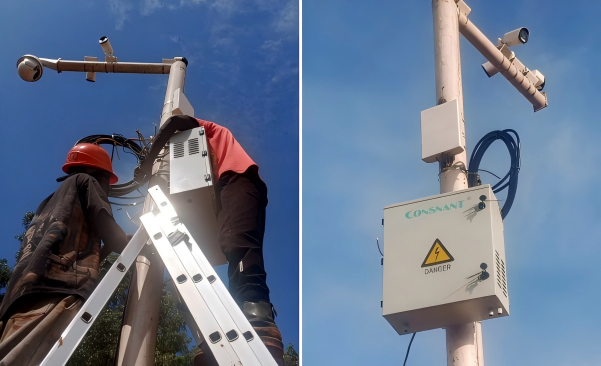
  • CONSNANT Outdoor UPS 1K: Road Monitoring Project in Burkina Faso CONSNANT Outdoor UPS 1K: Road Monitoring Project in Burkina Faso Oct 12, 2026
    Project Location: Burkina Faso Industry: Municipal Road Security & Surveillance Product: 1kVA Pole-mounted Outdoor UPS   Application: Backup Power for CCTV Surveillance   CONSNANT 1KVA pole-mounted Outdoor UPS was deployed for road surveillance in Burkina Faso. This all-in-one outdoor power cabinet mounts directly on camera poles, delivering uninterrupted power for monitoring cameras and transmission gear. It effectively addresses local grid outages & voltage fluctuations, adapting to West Africa’s hot, dusty tropical climate with simple installation and low maintenance.   Have outdoor surveillance, traffic or telecom projects facing unstable power? Contact CONSNANT team to get your customized outdoor UPS power proposal.    
  • New CNG112 Series Low Frequency Online UPS for Global IT & Industrial Critical Power Projects New CNG112 Series Low Frequency Online UPS for Global IT & Industrial Critical Power Projects Jun 06, 2026
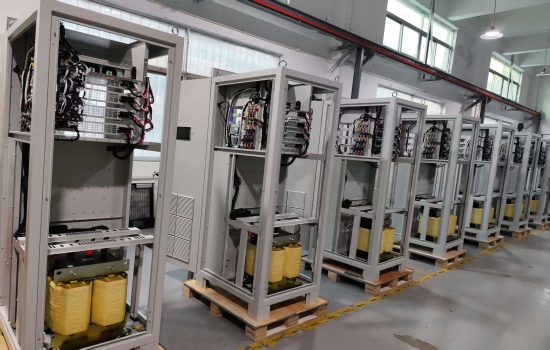
    Introduction CONSNANT officially releases the brand-new CNG112 Series 4~20KVA Low Frequency Online UPS, optimized for single-phase critical power demand across global IT rooms, industrial automation, commercial office and small-scale data center projects. As an upgraded single-in single-out Low Frequency UPS, CNG112 integrates built-in isolation transformer, full-circuit protection and intelligent monitoring, delivering stable, clean backup power for precision electronic equipment in unstable grid environments worldwide.   Core Product Advantages of CNG112 4-20KVA Low Frequency UPS 1. Industrial Low-Frequency Transformer Design Equipped with internal isolation transformer as standard configuration, the CNG112 series features outstanding anti-surge and anti-interference performance, effectively filtering grid harmonic, voltage spike and waveform distortion. It remains stable in regions with poor power quality, a core advantage compared with conventional high-frequency UPS for harsh grid overseas projects. 2. Comprehensive Multi-layer Load Protection Complete protection mechanism including overvoltage, undervoltage, overload, short-circuit, over-temperature and lightning surge protection. When abnormal grid fluctuation or sudden blackout happens, the UPS instantly switches to battery mode to avoid unexpected shutdown and hardware damage of servers, PLC control hosts and monitoring equipment. 3. Optimized Battery Management System Customized charging algorithm for lead-acid storage batteries, realizing floating charge & equalized charge automatic switching, reducing overcharging damage and prolonging the whole battery service life. Flexible external battery configuration supports customizable backup runtime from tens of minutes to several hours to match diverse client project demands. 4. Intelligent Human-Machine & Remote Management Large LCD real-time display for input voltage, output parameter, battery status and fault code, facilitating on-site inspection and daily maintenance. Optional SNMP/RS485 communication module enables remote centralized monitoring via PC or cloud platform, ideal for centralized management of multi-set UPS deployed in branch office or distributed IT rooms. 5. Compact Mobile Cabinet Structure Equipped with wear-resistant universal casters, the vertical compact cabinet is easy for transportation, site placement and layout adjustment, saving installation space for narrow equipment room and small control cabinet scenarios.   Wide Application Scenarios of CNG112 Series The 4KVA~20KVA full power range covers diversified critical load fields: ✅ Small & medium-sized IDC computer room, server workstation and network equipment ✅ Industrial automation control system, PLC cabinet and production monitoring equipment ✅ Hospital outpatient office, banking terminal and retail commercial POS system ✅ Government office building, security monitoring and communication terminal equipment Perfectly fit overseas small-scale engineering bidding, system integrator matching and end-user facility renovation projects across Southeast Asia, Middle East, Africa and other emerging markets with unstable local power supply.   Why Choose CONSNANT CNG112 Low Frequency UPS? With decades of R&D and manufacturing experience in uninterruptible power supply, CONSNANT strictly implements ISO production standard for the whole CNG112 production line, from raw material incoming inspection to finished machine aging test. Besides reliable product quality, we provide global localized after-sales support, customized technical solution and flexible OEM/ODM service for worldwide distributors and project contractors. Ready to explore CNG112 power solution for your upcoming IT projects? Contact our sales team to get detailed datasheet, quotation and free technical consultation.  
  • CONSNANT CNG330 600KVA low-frequency online UPS applied in factories CONSNANT CNG330 600KVA low-frequency online UPS applied in factories May 22, 2026
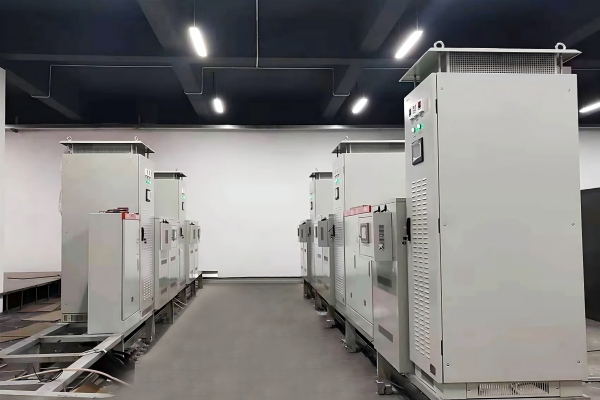
    In today’s fast-paced manufacturing landscape, even a split-second power interruption can trigger costly production line shutdowns, damage high-value equipment, and lead to massive operational losses. For factories relying on heavy machinery, automated control systems, and continuous production workflows, power stability is non-negotiable. This is where the CONSNANT CNG330 600KVA Low-Frequency Online UPS emerges as the ultimate power protection solution, purpose-built to meet the most demanding industrial power requirements. Why Factories Need Industrial-Grade UPS Solutions Industrial environments are notorious for harsh power conditions: frequent voltage fluctuations, grid surges, harmonic distortion, and high inrush currents from motors, compressors, and welding equipment. Conventional power solutions often struggle to handle these challenges, putting critical operations at risk. The CNG330 series, with its low-frequency transformer-based architecture, is engineered to thrive in these settings, delivering robust, uninterrupted power to keep production moving.   Key Advantages of the CNG330 600KVA UPS for Factory Use 1. Built-in Isolation Transformer for Stable, Clean Power At the heart of the CNG330 lies an integrated isolation transformer, which provides complete electrical isolation from the mains. This feature effectively suppresses grid noise, voltage spikes, and EMI interference, delivering a pure sine wave output that protects sensitive PLCs, CNC machines, and automated control systems from damage. Unlike high-frequency UPS models, the transformer-based design ensures reliable performance even with non-linear and inductive loads common in factories. 2. Superior Overload & Short-Circuit Resistance Factory operations often involve sudden load surges—such as motor startups or heavy machinery activation. The CNG330’s industrial-grade design boasts exceptional overload capacity, capable of withstanding these high inrush currents without tripping. Its robust short-circuit protection ensures that downstream faults are cleared without disrupting power to critical systems, eliminating unplanned downtime caused by minor electrical anomalies. 3. Wide Voltage Input for Harsh Grid Conditions Many factories operate in areas with unstable power grids, where voltage can swing by ±20% or more. The CNG330 supports a wide input voltage range, eliminating the needfor additional stabilizers and ensuring continuous operation even in poor power environments. This adaptability makes it ideal for factories in remote locations or regions with inconsistent power infrastructure. 4. Low Harmonic Distortion & High Power Efficiency With low THDi (Total Harmonic Distortion) and a high power factor, the CNG330 minimizes harmonic pollution and maximizes energy efficiency. This not only reduces the risk of interference with other equipment but also lowers long-term energy costs for the factory, aligning with sustainability goals and operational efficiency targets. 5. Parallel Redundancy for Zero Downtime For factories requiring 100% uptime, the CNG330 supports N+1 parallel redundancy. Multiple units can be connected to share the load, ensuring that even if one UPS requires maintenance or experiences a fault, the remaining units continue to power critical operations. This modular scalability makes it easy to expand power capacity as the factory grows. 6. Low Maintenance & Long Service Life Designed with industrial-grade components and robust cooling systems, the CNG330 is built for durability. Its low-frequency architecture reduces component stress, leading to fewer failures and lower maintenance costs over its lifecycle. Combined with intelligent remote monitoring capabilities, factory managers can track performance, diagnose issues, and perform maintenance proactively, without disrupting production.   Real-World Impact: Protecting Factory Operations Consider a large manufacturing plant running 24/7 automated production lines. A single power flicker could halt production for hours, resulting in lost materials, labor, and revenue. With the CNG330 600KVA UPS in place: Production continuity is guaranteed, even during grid outages or fluctuations. High-value equipment (CNC machines, robotics, control systems) is protected from power-related damage. Operational costs are reduced through energy efficiency and minimal downtime. Safety compliance is maintained for critical systems that rely on stable power.   Conclusion: The CNG330 as Your Factory’s Power Backbone The CONSNANT CNG330 600KVA Low-Frequency Online UPS is more than just a power backup—it’s a strategic investment in your factory’s reliability, productivity, and profitability. Built to withstand the toughest industrial environments, it combines robust performance, efficiency, and scalability to meet the evolving power needs of modern manufacturing. Whether you’re operating a single production line or a sprawling industrial complex, the CNG330 series delivers the peace of mind that comes with knowing your power is always protected.   For more information on how the CNG330 600KVA UPS can be tailored to your factory’s specific power requirements, contact our team today for a customized solution and quotation.
  • CONSNANT забезпечує завод з виробництва вікон та дверей у Янгоні надійними рішеннями ДБЖ та обслуговуванням на місці CONSNANT забезпечує завод з виробництва вікон та дверей у Янгоні надійними рішеннями ДБЖ та обслуговуванням на місці May 06, 2026
     Спеціальне рішення для живлення від ДБЖ потужністю 250 кВА для проекту нової виробничої лінії на заводі вікон та дверей у ЯнгоніЗ 2018 року великий завод з виробництва вікон та дверей у Янгоні, М'янма, довіряє CONSNANT забезпечення своїх критично важливих потреб у електроживленні, розгорнувши кілька комплектів нашого обладнання. Низькочастотний онлайн-ДБЖ потужністю 250 кВА (трифазний вихід) системи для захисту основного виробничого обладнання. Нещодавно наші сервісні інженери відвідали об'єкт, щоб провести комплексне технічне обслуговування та консультації щодо ДБЖ для нової виробничої лінії, що підтверджує наше зобов'язання щодо надійної підтримки живлення нашого давнього партнера. Складне середовище для місцевої владиЗавод працює в регіоні з серйозними обмеженнями енергопостачання:• Обмежений доступ до мережі: лише 4-6 годин електроживлення на день• Екстремальні робочі температури: температура в приміщенні майстерні сягає 42°C• Захист критичного навантаження: екструзійні машини заводу, які є основою виробничого процесу, потребують безперервного живлення, щоб уникнути дороговартісних простоїв, втрат матеріалів та затримок у виробництві.Ці умови вимагають надійних, стійких до високих температур рішень ДБЖ, які можуть забезпечувати стабільне, тривале резервне живлення за складних умов. Наші низькочастотні онлайн-системи ДБЖ потужністю 250 кВА, побудовані з компонентів промислового класу та мають широкий діапазон робочих температур, постійно відповідають цим вимогам з моменту розгортання. Обслуговування на місці: технічне обслуговування та рішення для нової лініїПід час візиту наші інженери виконали два ключові завдання для підтримки операцій клієнта:1. Профілактичне обслуговування існуючих систем ДБЖ• Повна перевірка та випробування продуктивності встановлених блоків ДБЖ потужністю 250 кВА• Перевірка стану акумуляторів, тестування навантажувальних банків та калібрування системи• Очищення внутрішніх компонентів та перевірка ефективності системи охолодження, що є критично важливим для високотемпературного середовища цеху• Документування стану системи та рекомендації щодо оптимізованих графіків технічного обслуговуванняЦі проактивні заходи гарантують, що існуючі системи ДБЖ продовжуватимуть забезпечувати надійне резервне живлення екструзійних машин заводу, мінімізуючи ризик неочікуваних збоїв.2. Індивідуальне рішення для резервного живлення нової виробничої лініїТісно співпрацюючи з командою замовника, наші інженери розробили індивідуальний план захисту електроживлення для нової виробничої лінії:• Оцінка навантаження та аналіз потреб у потужності для нового обладнання• Рекомендація щодо додаткових КОНСАНТ 250 кВА низькочастотний онлайн-ДБЖ агрегати, оптимізовані для потреб заводу у тривалій роботі• Керівництво щодо схеми установки, вимог до вентиляції та інтеграції з існуючою енергетичною інфраструктурою заводуЦе рішення використовує основні переваги нашого трифазного ДБЖ потужністю 250 кВА:• Низькочастотна топологія з високою перевантажувальною здатністю та високою адаптивністю до нестабільних мереж• Промисловий дизайн із вбудованим захистом від високих температур, коливань напруги та суворих умов експлуатації• Трифазний вихід для збалансованої подачі живлення до промислових навантажень, таких як екструзійні машини• Масштабовані варіанти роботи, що відповідають щоденним потребам автономної роботи заводуПобудова довгострокових партнерських відносин через надійність та підтримкуЦей проєкт є свідченням подвійного зобов'язання CONSNANT: надання довговічних, високопродуктивних рішень ДБЖ, які процвітають у складних умовах, та забезпечення оперативної підтримки на місці для забезпечення безперебійної роботи наших партнерів.Протягом понад шести років наші низькочастотні онлайн-системи ДБЖ потужністю 250 кВА забезпечували безперебійну роботу виробничих ліній заводу в Янгоні навіть за найскладніших умов електропостачання. Наш нещодавній сервісний візит не лише продовжив термін служби існуючого обладнання, але й заклав основу для майбутнього розширення діяльності клієнта.У CONSNANT ми не просто пропонуємо енергетичні рішення — ми підтримуємо їх на кожному кроці.
  • Інтелектуальна інтегрована підстанція: Система накопичення енергії з рідинним охолодженням C&I Інтелектуальна інтегрована підстанція: Система накопичення енергії з рідинним охолодженням C&I Apr 25, 2026
    У контексті глобального енергетичного переходу та поглиблення мети «подвійного вуглецю», комерційно-промисловий (К&П) сектор, як ключова ланка у споживанні енергії та скороченні викидів вуглецю, має дедалі більш нагальну потребу в ефективній, безпечній та інтелектуальні рішення для енергопостачанняІнтелектуальна інтегрована підстанція в поєднанні з системою рідинного охолодження C&I Energy Storage стає основним рішенням, що інтегрує технології інтелектуального перетворення енергії, розподілу та рідинного охолодження. Вона долає вузькі місця традиційних систем електропостачання та зберігання енергії, а також забезпечує надійну, ефективну та низьковуглецеву гарантію енергії для користувачів C&I, таких як промислові парки, підприємства з високим споживанням енергії та комерційні комплекси.  Основні переваги:Інвестиційні заощадження♦ Комплексне проектування системи, попередня установка та попереднявведення в експлуатацію, зменшуючи кількість обслуговуючих на місцікоригування.♦ Інтелектуальне керування температурою на основі штучного інтелекту, температура системи різниця ≤ 4°C, зменшити допоміжну потужність на 30%споживанняОновлення користувацького інтерфейсу ♦ Зручний дизайн клеми, що адаптується до різних проводів вимоги до калібру.♦ Значно знижений рівень шуму під час роботи до 70 дБ.Максимальна продуктивність♦ Багатоступеневе високоефективне перетворення енергії PCS технологія для покращення заряджання та розряджання системиефективність до 90%.♦ Алгоритми оптимізації хмарного штучного інтелекту забезпечують прийняття рішень на основі високоточного прогнозування для складної системи експлуатація та операції на ринку електроенергії, які можуть збільшити річний дохід на 15-20% та скоротитицикл повернення інвестицій.Інтелектуальна експлуатація та обслуговування♦ Інтелектуальний онлайн-моніторинг, швидке виявлення стану та несправностей запис для швидкого виявлення та аналізу несправностей системи.♦ Підтримує дистанційне керування та обслуговування за допомогою інтелектуальних Експлуатація та технічне обслуговування підвищують ефективність станції накопичення енергіїопераційна діяльність, прибутковість активів та доходи від послуг. Що стосується сценаріїв застосування, ця інтегрована система має високу адаптивність і може широко використовуватися в різних галузях конверсії та інвентаризації. В промислових парках вона може задовольнити високі та стабільні потреби в електроенергії великомасштабного виробничого обладнання, реалізувати раціональний розподіл енергії та знизити виробничі витрати; на підприємствах з високим споживанням енергії, таких як виробнича та хімічна промисловість, вона може ефективно зменшити тиск високих рахунків за електроенергію шляхом зменшення пікових навантажень та заповнення западин, а також допомогти підприємствам досягти цілей енергозбереження та скорочення викидів; у комерційних комплексах та офісних будівлях вона може забезпечити надійне резервне живлення, щоб уникнути економічних втрат, спричинених перебоями в електропостачанні, а також оптимізувати енергетичну структуру та зменшити викиди вуглецю. Щоб краще підкреслити основні переваги рідинне охолодження система накопичення енергії, ми підсумовуємо його переваги порівняно з традиційними системами накопичення енергії (представленими системами повітряного охолодження) наступним чином: він має чудову продуктивність контролю температури, з різницею температур елементів акумулятора, що контролюється в межах ±5℃, та ефективністю охолодження до 95-98%; він має нижче енергоспоживання, яке на 50-60% нижче, ніж у систем повітряного охолодження; він може подовжити термін служби акумулятора до 20%, зменшуючи витрати на експлуатацію та обслуговування; та він має надійніший захист безпеки, з рівнем захисту корпусу IP54 або вище, що дозволяє йому адаптуватися до суворих умов. Оберіть нашу інтелектуальну інтегровану підстанцію з рідинно-охолоджувальною системою накопичення енергії C&I та створіть ефективніше, безпечніше та екологічніше енергетичне майбутнє для вашого бізнесу. Зверніться до нас зараз, щоб отримати індивідуальні рішення! 
  • Відмінності та переваги: ​​6-імпульсний проти 12-імпульсного випрямляча для промислового онлайн-ДБЖ Consnant Відмінності та переваги: ​​6-імпульсний проти 12-імпульсного випрямляча для промислового онлайн-ДБЖ Consnant Apr 17, 2026
    Виходячи з сценаріїв застосування Промислові онлайн-джерела ДБЖ Consnant серії CNIОсновні відмінності між 6-пульсними та 12-пульсними ДБЖ полягають у структурі випрямляча, здатності придушувати гармоніки, сумісності з мережею та загальній вартості. 12-пульсний ДБЖ пропонує чудову сумісність з мережею, стабільність та ефективність, що робить його придатним для використання в суворих промислових умовах; 6-пульсний ДБЖ, з іншого боку, відрізняється низькою вартістю та простою конструкцією, що робить його придатним для стандартних сценаріїв. 1. Основна структурна різниця6-імпульсний випрямлячВикористовує топологію повного мосту з 6 тиристорами, генеруючи 6 імпульсів струму за цикл змінного струму. Простий дизайн, компактний розмір, низька вартість. 12-імпульсний випрямлячНа основі 6-імпульсного випрямляча додано фазозсувний трансформатор та другий 6-імпульсний випрямний міст, загалом 12 тиристорів.Трансформатор зсуває фазу вхідної напруги на 30°, а два мости з'єднані паралельно та накладені один на одного, утворюючи 12 імпульсів/цикл.Складніша структура, вища надійність для промислового використання. 2. Порівняння ключових характеристик продуктивності Промислове ДБЖЕлемент6-імпульсний12-імпульснийПеревагаВхідний THDi~25%–30%~8%–10%12-імпульснийКоефіцієнт потужності (PF)~0,8>0,9512-імпульснийГармонічний профільДомінують 5-та, 7-ма гармоніки5-та, 7-ма гармоніки значною мірою компенсуються12-імпульснийВплив на мережуМоже спричинити перегрів, перешкоди, нестабільність генератораМінімальне забруднення мережі12-імпульснийЕфективністьТрохи вищеТрохи нижче (втрати в трансформаторі)6-імпульснийРозмір і вагаМенший, легшийБільший, важчий6-імпульснийВартістьНижняВища6-імпульснийНадмірністьОдинарний містДвомостовий з'єднання з можливістю часткового навантаження у разі виходу з ладу одного з них12-імпульсний 3. Основні переваги 12-імпульсної передачі над 6-імпульсною (промислові сценарії) a. Надзвичайно низький рівень гармонік, дружній до мережіЗначно пригнічує низькі гармоніки 5-го та 7-го порядку (основну причину забруднення мережі).THDi
  • Трифазний високочастотний онлайн-джерело безперебійного живлення CONSNANT: надійний захист живлення для малих та середніх критичних ситуацій Трифазний високочастотний онлайн-джерело безперебійного живлення CONSNANT: надійний захист живлення для малих та середніх критичних ситуацій Apr 11, 2026
    В сучасну епоху швидкої цифровізації та індустріалізації потреба в стабільному електропостачанні в критично важливих середовищах малого та середнього масштабу, таких як невеликі серверні кімнати, промислові системи керування та комерційні об'єкти, стає дедалі жорсткішою. ​​Навіть короткочасні перебої з електропостачанням або коливання напруги можуть призвести до втрати даних, пошкодження обладнання та фінансових збитків. Трифазний високочастотний онлайн-джерело безперебійного живлення CONSNANT 10–20 кВА спеціально розроблений саме для цих сценаріїв, використовуючи високоефективну та надійну роботу для посилення захисту джерел живлення критично важливого обладнання. Для проектів будівництва центрів обробки даних та апаратних приміщень на заводах на Близькому Сході ми серійно виробляли високочастотні онлайн-блоки ДБЖ потужністю 10 кВА, конфігуруючи їх з відповідними системами резервного живлення від акумуляторів відповідно до конкретних вимог клієнта.Як трифазний ДБЖ, спеціально розроблений для малих та середніх навантажень, він має основні переваги: ​​він використовує справжню топологію подвійного онлайн-перетворення для досягнення нульового часу перемикання, ефективно ізолюючи обладнання від збоїв у мережі, таких як перенапруги, гармоніки та коливання частоти, тим самим забезпечуючи безперервне постачання чистої синусоїдальної енергії. Крім того, він оснащений передовою технологією цифрового керування DSP для точного регулювання напруги та частоти, підвищуючи стабільність системи та швидкість відгуку, а також підтримуючи інтелектуальну самодіагностику та захист від несправностей для зниження витрат на експлуатацію та обслуговування. Продукт поєднує високу ефективність зі зручністю для користувача; з коефіцієнтом ефективності 90–94% у поєднанні з активною корекцією коефіцієнта потужності (PFC) він мінімізує втрати енергії та знижує загальні експлуатаційні витрати. Його компактний та легкий дизайн робить його ідеальним для середовищ з обмеженим простором, а підтримка як баштових, так і стійкових конфігурацій забезпечує гнучкість для задоволення різноманітних вимог розгортання. Крім того, широкий діапазон вхідної напруги, інтелектуальна система керування батареями та додаткові можливості дистанційного моніторингу ще більше підвищують практичність та надійність продукту. Чи то для невеликих центрів обробки даних на периферії, обладнання промислової автоматизації, комерційних POS-систем чи медичних лабораторних приладів, CONSNANT 10–20 кВА Трифазний високочастотний онлайн-джерело безперебійного живлення забезпечує цілодобовий безперебійний захист живлення. Завдяки поєднанню високої продуктивності та відмінної економічної ефективності, це дозволяє підприємствам зменшувати ризики, пов'язані з живленням, та забезпечувати безперервну та стабільну роботу своїх критично важливих для бізнесу систем. 
  • Керівництво з вибору блоку живлення базової станції зв'язку Керівництво з вибору блоку живлення базової станції зв'язку Apr 03, 2026
    Як вибрати блок живлення для телекомунікацій? CONSNANT Зовнішні гібридні системи живлення / Вбудовані системи живлення / Модулі живлення зв'язкуНайкращі рішення для резервного живлення телекомунікаційних мереж для віддалених веж стільникового зв'язкуБлок живлення для зв'язку CONSNANT Серія «Основні переваги» (включаючи рішення для вбудованих шаф для зовнішнього використання, вбудовані системи та силові модулі) зосереджена на чотирьох ключових перевагах: висока надійність, надійний захист, інтелектуальна ефективність та гнучка адаптивність. I. Зовнішні гібридні системи зв'язку та живлення• Серія OD-TRSS: Випрямляч + MPPT• Серія OD-TRIS: Випрямляч + Інвертор• Серія OD-TISS: Інвертор + MPPT• Серія OD-TRISS: Випрямляч + Інвертор + MPPT ♦ Надійний захист для зовнішніх робіт: Весь пристрій має клас захисту IP55 — пило-, водонепроникний та стійкий до корозії. Він надійно працює в екстремальному діапазоні температур від -40°C до +60°C, витримує сильну сейсмічну активність та сольовий туман, а також ідеально підходить для суворих умов, таких як віддалені базові станції, гірські райони та прибережні зони.♦ Високостабільне джерело живлення: використовує цифрове керування DSP у поєднанні з технологією подвійного онлайн-перетворення. Завдяки широкому діапазону вхідної напруги та частоти, він забезпечує чисту синусоїдальну вихідну хвилю з нульовим перериванням перемикання, забезпечуючи цілодобову безперебійну роботу для базових станцій 4G/5G та мікробазових станцій.♦ Інтегрована універсальна конструкція: об'єднує випрямлення, інверсію, керування живленням фотоелектричних систем, керування акумуляторами, контроль температури та інтелектуальний моніторинг в одному блоці. Підтримує варіанти встановлення на підлозі, стіні або стовпі, пропонуючи принцип «підключи та працюй», який значно скорочує цикли будівництва на місці та експлуатації й обслуговування. II. Вбудовані системи живлення зв'язку• Серія TRS-48: Система живлення випрямляча 48 В постійного струму• Серія TSS-48: Сонячна енергосистема 48 В постійного струму ♦ Мініатюризація високої щільності: має надтонку стійкову конструкцію 1U/2U, яка економить понад 50% місця в шафі, що робить її ідеальною для середовищ з обмеженим простором, таких як апаратні, комунікаційні шафи та мікроцентри обробки даних.♦ Ефективна архітектура гарячої заміни: Модулі підтримують гарячу заміну в режимі онлайн, що дозволяє виконувати обслуговування без необхідності вимкнення системи. Конструкція резервування N+1 гарантує, що єдина точка відмови не порушить роботу системи, забезпечуючи коефіцієнт доступності понад 99,99%.♦ Стабільний вихідний сигнал у широкому діапазоні температур: Виготовлена ​​з компонентів промислового класу, система надійно працює за температури навколишнього середовища від -25°C до +55°C. Характеризується низькими втратами потужності та високою надійністю, вона відповідає суворим стандартам живлення, що вимагаються сучасним комунікаційним обладнанням.  IV. Модулі живлення зв'язку• Модуль моніторингу (TM3)• Модуль високовольтного контролера сонячного заряду (TS-4850H)• Модуль низьковольтного контролера сонячного заряду (TS-4850L)• Інверторний модуль (TI-2000HV)• Модуль випрямляча (TR-4830/50/75) ♦ Надзвичайно висока ефективність: пікова ефективність понад 96%; підтримує високу ефективність навіть за невеликих навантажень. Має низьке енергоспоживання та низьке тепловиділення, що подовжує термін служби системи та зменшує витрати на охолодження.♦ Широка сумісність та висока адаптивність: Підтримує багатостандартні входи (110/220/380 В) та забезпечує стандартний комунікаційний вихід -48 В. Сумісний з основним світовим комунікаційним обладнанням та підтримує гнучке паралельне розширення.♦ Комплексний інтелектуальний захист: Вбудований захист від перенапруги, перевантаження по струму, перегріву, коротких замикань та зворотної полярності. Оснащений інтелектуальним керуванням акумуляторами BMS, дистанційним моніторингом та функціями попередження про несправності, що забезпечує стабільну роботу без нагляду. Зовнішня телекомунікаційна система живлення Основні загальні переваги Комплексне охоплення сценаріїв, комплексний захист, повністю інтелектуальне управління та контроль, а також висока енергоефективність з низькою загальною вартістю володіння (TCO). Ми пропонуємо безпечні, екологічно чисті та надійні рішення для комплексного енергопостачання для базових станцій глобального зв'язку, центрів обробки даних та приватних мереж. Професійний вибір, стабільне живлення. CONSNANT забезпечує ефективну та надійну роботу базових станцій зв'язку.З питань звертайтеся за телефоном: 0086 13501592453Електронна пошта: sales@consnant.com Вебсайт: www.consnant.com
1 2 3 4 5

A total of5pages

Потрібна допомога? Спілкуйтеся з нами

залишити повідомлення
Якщо ви зацікавлені в наших продуктах і хочете дізнатися більше, залиште повідомлення тут, і ми відповімо вам, як тільки зможемо.
подати
ЗВ'ЯЖІТЬСЯ З НАМИ #
0086 13501592453

Наші години

Пн, 21.11 – серед, 23.11: 9:00–20:00
Чт, 24 листопада: закрито - з Днем подяки!
Пт, 25 листопада: 8:00 – 22:00
Сб 26.11 - 27.11: 10:00 - 21:00
(всі години за східним часом)

додому

Продукти

whatsApp

контакт

Start a Conversation

Hi! Click one of our members below to chat on